
Table of Contents
- What Is Niacinamide?
- Niacinamide Benefits for Skin
- How Niacinamide Works on the Skin
- How to Use Niacinamide in Your Skincare Routine
- What Percentage of Niacinamide Should You Use?
- Can You Use Niacinamide With Other Ingredients?
- Who Should Use Niacinamide?
- Common Mistakes to Avoid
- How Long Does Niacinamide Take to Work?
- Niacinamide vs Other Skincare Ingredients
- Is Niacinamide Safe for Daily Use?
- Final Thoughts
- Key Takeaway
- We use cookiesNiacinamide has quickly become one of the most talked-about skincare ingredients—and for good reason. Whether you’re dealing with acne, dullness, enlarged pores, or uneven skin tone, niacinamide is a versatile solution that works for almost every skin type.
- What Is Niacinamide?
- Niacinamide Benefits for Skin
- How Niacinamide Works on the Skin
- How to Use Niacinamide in Your Skincare Routine
- What Percentage of Niacinamide Should You Use?
- Can You Use Niacinamide With Other Ingredients?
- Who Should Use Niacinamide?
- Common Mistakes to Avoid
- How Long Does Niacinamide Take to Work?
- Niacinamide vs Other Skincare Ingredients
- Is Niacinamide Safe for Daily Use?
- Final Thoughts
Niacinamide has quickly become one of the most talked-about skincare ingredients—and for good reason. Whether you’re dealing with acne, dullness, enlarged pores, or uneven skin tone, niacinamide is a versatile solution that works for almost every skin type.
Also known as vitamin B3, niacinamide is backed by dermatological research and widely recommended for improving overall skin health without causing irritation. Unlike many active ingredients, it is gentle, effective, and easy to incorporate into your daily routine.
In this complete guide, you’ll learn everything about niacinamide benefits for skin, how it works, how to use it properly, and why it deserves a place in your skincare routine.
What Is Niacinamide?
Niacinamide is a water-soluble form of vitamin B3 that plays an essential role in maintaining healthy skin. It helps build proteins in the skin and locks in moisture to prevent environmental damage.
When applied topically, niacinamide improves multiple skin concerns simultaneously, making it a multitasking ingredient suitable for beginners and advanced skincare users alike.
Niacinamide Benefits for Skin
Understanding the full range of niacinamide benefits for skin will help you see why it’s considered a must-have ingredient.
1. Reduces Acne and Controls Oil Production
One of the most well-known niacinamide benefits for skin is its ability to regulate sebum production.
Excess oil is a major cause of acne and clogged pores. Niacinamide helps balance oil levels, reducing breakouts and preventing future acne.
It also has anti-inflammatory properties that calm redness and irritation associated with active acne.
2. Minimizes Pores Appearance
Large pores are often caused by excess oil and loss of skin elasticity.
Niacinamide helps tighten the skin and regulate oil production, making pores appear smaller over time. While it doesn’t physically shrink pores, it significantly improves their appearance.
3. Brightens Skin Tone
If your skin looks dull or uneven, niacinamide can help restore brightness.
It works by reducing the transfer of melanin within the skin, which helps fade dark spots and pigmentation. Regular use leads to a more even and radiant complexion.
4. Strengthens the Skin Barrier
A healthy skin barrier is essential for maintaining hydration and protecting against environmental damage.
Niacinamide boosts the production of ceramides, which are lipids that help maintain the skin barrier. This makes your skin more resilient and less prone to irritation.
5. Reduces Fine Lines and Wrinkles
Another important niacinamide benefit for skin is its anti-aging effect.
It improves skin elasticity and stimulates collagen production, helping reduce the appearance of fine lines and wrinkles over time.
6. Improves Skin Texture
Niacinamide smooths rough skin by supporting healthy cell turnover and hydration.
With consistent use, your skin becomes softer, smoother, and more refined.
7. Reduces Redness and Inflammation
Niacinamide is especially beneficial for sensitive or irritated skin.
Its anti-inflammatory properties help calm redness, making it ideal for conditions like acne, rosacea, and general skin sensitivity.
8. Protects Against Environmental Damage
Daily exposure to pollution and UV rays can damage your skin.
Niacinamide helps protect against oxidative stress by supporting the skin’s natural defense system, keeping it healthier and stronger.
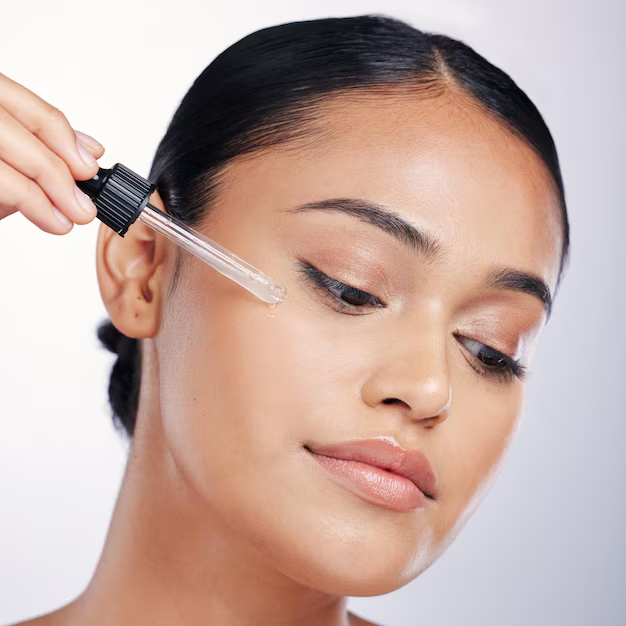
How Niacinamide Works on the Skin
Niacinamide works at a cellular level to improve skin health. It enhances the production of essential lipids, reduces inflammation, and regulates oil production.
Because it targets multiple pathways, it delivers visible improvements without being harsh or irritating.
How to Use Niacinamide in Your Skincare Routine
To get the most out of niacinamide benefits for skin, it’s important to use it correctly.
Step-by-Step Routine
Morning Routine:
- Cleanser
- Niacinamide serum
- Moisturizer
- Sunscreen
Night Routine:
- Cleanser
- Niacinamide serum
- Moisturizer
What Percentage of Niacinamide Should You Use?
Niacinamide is available in different concentrations, typically ranging from 2% to 10%.
- 2%–5%: Ideal for beginners and sensitive skin
- 5%–10%: Suitable for oily or acne-prone skin
- Above 10%: May cause irritation for some users
For most people, a 5% concentration provides excellent results without side effects.
Can You Use Niacinamide With Other Ingredients?
One of the biggest advantages of niacinamide is its compatibility with other skincare ingredients.
Safe combinations:
- Hyaluronic acid (for hydration)
- Retinol (to reduce irritation)
- Salicylic acid (for acne control)
- Vitamin C (modern formulations are stable together)
Niacinamide actually helps reduce irritation caused by stronger actives, making it a great addition to complex routines.
Who Should Use Niacinamide?
Niacinamide is suitable for almost all skin types:
- Oily skin: Controls sebum production
- Dry skin: Strengthens barrier and retains moisture
- Acne-prone skin: Reduces inflammation and breakouts
- Sensitive skin: Calms redness and irritation
Because it is non-comedogenic and gentle, it rarely causes breakouts or adverse reactions.
Common Mistakes to Avoid
Even though niacinamide is beginner-friendly, some mistakes can reduce its effectiveness.
1. Using Too High Concentration Too Soon
Start with a moderate concentration to avoid irritation.
2. Inconsistent Use
Like most skincare ingredients, consistency is key.
3. Skipping Sunscreen
Niacinamide helps with pigmentation, but sunscreen is essential to prevent further damage.
4. Overlayering Products
Using too many actives at once can overwhelm your skin.
How Long Does Niacinamide Take to Work?
Results vary depending on your skin concern:
- Acne and oil control: 2–4 weeks
- Brightening and pigmentation: 4–8 weeks
- Texture and fine lines: 8–12 weeks
Consistency is crucial for visible and lasting results.
Niacinamide vs Other Skincare Ingredients
Niacinamide vs Vitamin C
- Niacinamide: Calming, oil control, barrier repair
- Vitamin C: Brightening, antioxidant protection
Niacinamide vs Retinol
- Niacinamide: Gentle, suitable for daily use
- Retinol: Strong anti-aging ingredient, can cause irritation
Using them together can provide complementary benefits.
Is Niacinamide Safe for Daily Use?
Yes, niacinamide is safe to use daily, both morning and night.
It is well-tolerated by most skin types and does not increase sun sensitivity, making it ideal for long-term use.
Final Thoughts
Niacinamide is one of the most effective and versatile ingredients in skincare today. From reducing acne and controlling oil to brightening skin and improving texture, the niacinamide benefits for skin are extensive and well-supported by science.
What makes it truly stand out is its ability to deliver visible results without causing irritation, making it suitable for beginners and experienced users alike.
Key Takeaway
If you’re looking for a simple, effective, and gentle ingredient to achieve clear, bright, and healthy skin, niacinamide is an excellent choice. With consistent use and a proper routine, it can transform your skin over time.
We use cookiesNiacinamide has quickly become one of the most talked-about skincare ingredients—and for good reason. Whether you’re dealing with acne, dullness, enlarged pores, or uneven skin tone, niacinamide is a versatile solution that works for almost every skin type.
Also known as vitamin B3, niacinamide is backed by dermatological research and widely recommended for improving overall skin health without causing irritation. Unlike many active ingredients, it is gentle, effective, and easy to incorporate into your daily routine.
In this complete guide, you’ll learn everything about niacinamide benefits for skin, how it works, how to use it properly, and why it deserves a place in your skincare routine.
What Is Niacinamide?
Niacinamide is a water-soluble form of vitamin B3 that plays an essential role in maintaining healthy skin. It helps build proteins in the skin and locks in moisture to prevent environmental damage.
When applied topically, niacinamide improves multiple skin concerns simultaneously, making it a multitasking ingredient suitable for beginners and advanced skincare users alike.
Niacinamide Benefits for Skin
Understanding the full range of niacinamide benefits for skin will help you see why it’s considered a must-have ingredient.
1. Reduces Acne and Controls Oil Production
One of the most well-known niacinamide benefits for skin is its ability to regulate sebum production.
Excess oil is a major cause of acne and clogged pores. Niacinamide helps balance oil levels, reducing breakouts and preventing future acne.
It also has anti-inflammatory properties that calm redness and irritation associated with active acne.
2. Minimizes Pores Appearance
Large pores are often caused by excess oil and loss of skin elasticity.
Niacinamide helps tighten the skin and regulate oil production, making pores appear smaller over time. While it doesn’t physically shrink pores, it significantly improves their appearance.
3. Brightens Skin Tone
If your skin looks dull or uneven, niacinamide can help restore brightness.
It works by reducing the transfer of melanin within the skin, which helps fade dark spots and pigmentation. Regular use leads to a more even and radiant complexion.
4. Strengthens the Skin Barrier
A healthy skin barrier is essential for maintaining hydration and protecting against environmental damage.
Niacinamide boosts the production of ceramides, which are lipids that help maintain the skin barrier. This makes your skin more resilient and less prone to irritation.
5. Reduces Fine Lines and Wrinkles
Another important niacinamide benefit for skin is its anti-aging effect.
It improves skin elasticity and stimulates collagen production, helping reduce the appearance of fine lines and wrinkles over time.
6. Improves Skin Texture
Niacinamide smooths rough skin by supporting healthy cell turnover and hydration.
With consistent use, your skin becomes softer, smoother, and more refined.
7. Reduces Redness and Inflammation
Niacinamide is especially beneficial for sensitive or irritated skin.
Its anti-inflammatory properties help calm redness, making it ideal for conditions like acne, rosacea, and general skin sensitivity.
8. Protects Against Environmental Damage
Daily exposure to pollution and UV rays can damage your skin.
Niacinamide helps protect against oxidative stress by supporting the skin’s natural defense system, keeping it healthier and stronger.
How Niacinamide Works on the Skin
Niacinamide works at a cellular level to improve skin health. It enhances the production of essential lipids, reduces inflammation, and regulates oil production.
Because it targets multiple pathways, it delivers visible improvements without being harsh or irritating.
How to Use Niacinamide in Your Skincare Routine
To get the most out of niacinamide benefits for skin, it’s important to use it correctly.
Step-by-Step Routine
Morning Routine:
- Cleanser
- Niacinamide serum
- Moisturizer
- Sunscreen
Night Routine:
- Cleanser
- Niacinamide serum
- Moisturizer
What Percentage of Niacinamide Should You Use?
Niacinamide is available in different concentrations, typically ranging from 2% to 10%.
- 2%–5%: Ideal for beginners and sensitive skin
- 5%–10%: Suitable for oily or acne-prone skin
- Above 10%: May cause irritation for some users
For most people, a 5% concentration provides excellent results without side effects.
Can You Use Niacinamide With Other Ingredients?
One of the biggest advantages of niacinamide is its compatibility with other skincare ingredients.
Safe combinations:
- Hyaluronic acid (for hydration)
- Retinol (to reduce irritation)
- Salicylic acid (for acne control)
- Vitamin C (modern formulations are stable together)
Niacinamide actually helps reduce irritation caused by stronger actives, making it a great addition to complex routines.
Who Should Use Niacinamide?
Niacinamide is suitable for almost all skin types:
- Oily skin: Controls sebum production
- Dry skin: Strengthens barrier and retains moisture
- Acne-prone skin: Reduces inflammation and breakouts
- Sensitive skin: Calms redness and irritation
Because it is non-comedogenic and gentle, it rarely causes breakouts or adverse reactions.
Common Mistakes to Avoid
Even though niacinamide is beginner-friendly, some mistakes can reduce its effectiveness.
1. Using Too High Concentration Too Soon
Start with a moderate concentration to avoid irritation.
2. Inconsistent Use
Like most skincare ingredients, consistency is key.
3. Skipping Sunscreen
Niacinamide helps with pigmentation, but sunscreen is essential to prevent further damage.
4. Overlayering Products
Using too many actives at once can overwhelm your skin.
How Long Does Niacinamide Take to Work?
Results vary depending on your skin concern:
- Acne and oil control: 2–4 weeks
- Brightening and pigmentation: 4–8 weeks
- Texture and fine lines: 8–12 weeks
Consistency is crucial for visible and lasting results.
Niacinamide vs Other Skincare Ingredients
Niacinamide vs Vitamin C
- Niacinamide: Calming, oil control, barrier repair
- Vitamin C: Brightening, antioxidant protection
Niacinamide vs Retinol
- Niacinamide: Gentle, suitable for daily use
- Retinol: Strong anti-aging ingredient, can cause irritation
Using them together can provide complementary benefits.
Is Niacinamide Safe for Daily Use?
Yes, niacinamide is safe to use daily, both morning and night.
It is well-tolerated by most skin types and does not increase sun sensitivity, making it ideal for long-term use.
Final Thoughts
Niacinamide is one of the most effective and versatile ingredients in skincare today. From reducing acne and controlling oil to brightening skin and improving texture, the niacinamide benefits for skin are extensive and well-supported by science.
What makes it truly stand out is its ability to deliver visible results without causing irritation, making it suitable for beginners and experienced users alike.
Leave a Reply